
Comparing Trains, Buses, and Taxis in Japan: Which to Choose?
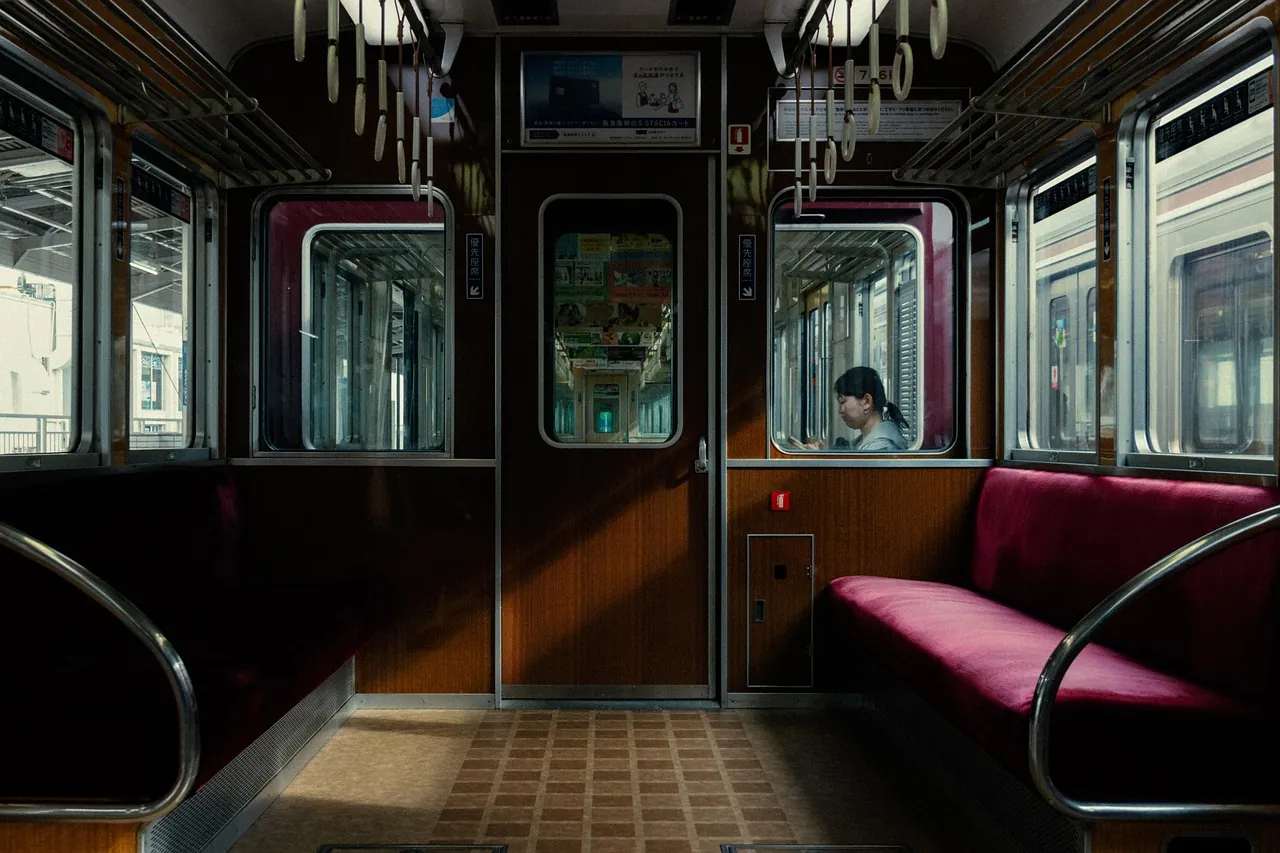
Navigating Japan's Public Transport: A Comprehensive Overview
Japan's public transportation system is renowned for its efficiency and reliability. With a myriad of options available, travelers can choose from trains, buses, and taxis, each offering unique advantages. This article serves as a practical guide to help you make the most of these modes of transportation, covering how to purchase tickets, decipher train schedules, manage transfers, and handle potential language barriers.
Understanding the Train System
The train network in Japan is expansive and includes several types of services: local, rapid, express, and the iconic Shinkansen (bullet train). The Japan Railways Group (JR Group) operates the majority of the rail lines, but there are numerous private rail companies, particularly in metropolitan areas like Tokyo and Osaka.
How to Purchase Train Tickets
Purchasing train tickets in Japan can be done through automated machines or at ticket counters in stations. Here’s a step-by-step guide:
- Locate a Ticket Machine: These are usually near station entrances. Most machines offer an English language option.
- Select Your Destination: Use the touch screen to select your destination. Maps often display fare information.
- Choose Your Ticket Type: For longer distances, consider reserved seat options available for an additional fee.
- Make Payment: Machines accept cash and sometimes credit cards.
If you're planning extensive travel within Japan, consider purchasing a Japan Rail Pass. It's only available to tourists and must be bought before arriving in Japan. It offers unlimited travel on JR trains, including some Shinkansen routes.
Deciphering Train Schedules and Transfers
Train schedules are posted at every station, often with digital displays. Understanding them requires some practice:
- Platforms: Pay attention to platform numbers as trains of different types may use the same track.
- Time Tables: Look for signs indicating first and last trains of the day. Trains often run precisely on time.
- Transfers: Apps like Hyperdia or Google Maps are invaluable for planning routes and transfers. Input your start and end stations to get detailed guidance.
Exploring Bus Travel
Buses in Japan are a cost-effective way to reach places not served by trains, especially in rural areas. Here's how to navigate the bus system:
Bus Ticket Purchasing Tips
For city buses:
- Board the Bus: In many cities, board at the front and pay a flat fee upon boarding.
- Payment Options: Use exact change or an IC card (like Suica or Pasmo) for convenience.
For highway buses, which connect cities:
- Reservations: Reserve seats online or at ticket offices beforehand, especially during holidays.
- Luggage: Store large luggage under the bus; carry-ons can be kept with you.
Taxis: When to Use Them
Taxis are more expensive but offer door-to-door service and are ideal for traveling with heavy luggage or late-night travel when other transport is unavailable. Here’s what you need to know:
- Flagging a Taxi: In cities, taxis are plentiful and can be hailed on the street if their light is green (available).
- Taxi Stands: At major stations, look for designated taxi stands.
Navigating Language Barriers
Although English signage is common in urban areas, language barriers can still pose challenges. Here are some strategies:
- Phrases: Learn a few basic Japanese phrases such as greetings or how to ask for directions. For example, "Eki wa doko desu ka?" means "Where is the station?"
- Translation Apps: Use apps like Google Translate, which can translate written text or spoken words instantly.
Cultural Etiquette Tips
Cultural etiquette plays an important role in public transport:
- No Talking on Phones: It's considered impolite to speak on the phone while riding public transportation.
- Priority Seating: Give up your seat for the elderly, pregnant women, or those with disabilities.
A Sample Travel Scenario: Kyoto Day Trip
Imagine you’re planning a day trip from Osaka to Kyoto. Here’s a potential itinerary using various transport modes:
- MORNING: Take the Shinkansen from Osaka Station to Kyoto Station—only 15 minutes.
- MID-MORNING: Upon arrival, use a local bus to visit Kinkaku-ji (Golden Pavilion).
- LUNCH: Grab a bite at Nishiki Market accessible by bus or taxi if you prefer comfort.
- AFTERNOON: Explore Gion by walking or short taxi rides between locations.
Your Next Steps in Japan's Transport Landscape
Embarking on a journey through Japan via its trains, buses, and taxis is not just about getting from one place to another; it’s about experiencing part of Japan’s culture and daily life. As you plan your adventures, keep this guide handy to ensure smooth travels across this captivating country.