
A Step-by-Step Approach to Adventure Sports Insurance Acquisition
Understanding the Need for Adventure Sports Insurance
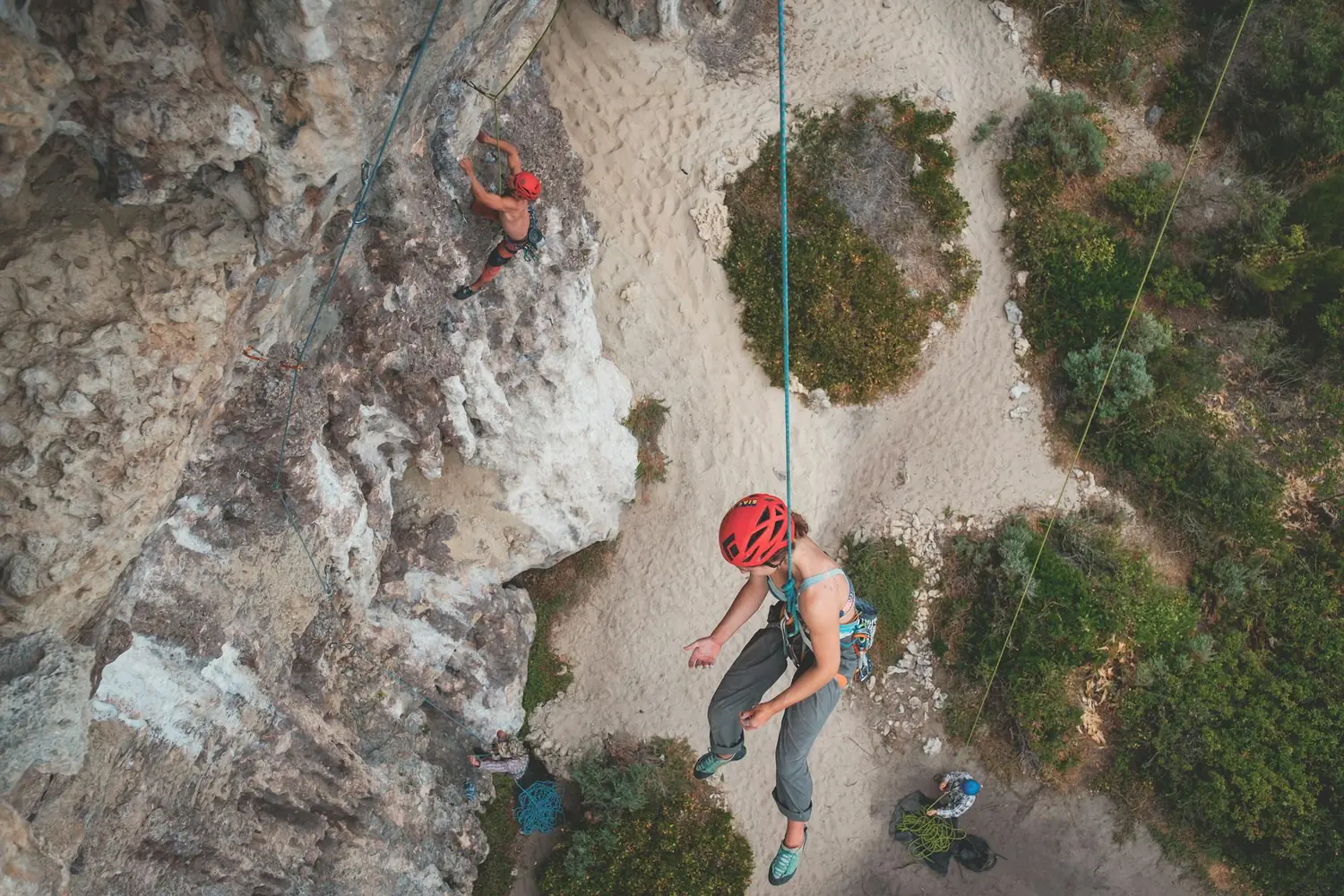
Engaging in adventure sports such as bungee jumping, scuba diving, or mountain biking is an exhilarating way to travel and explore new horizons. However, these activities also come with inherent risks, making it crucial for enthusiasts to secure the right travel insurance.
Adventure sports insurance provides coverage beyond standard travel insurance, offering protection against injuries, equipment loss, and other potential mishaps specific to high-adrenaline activities.
What Does Adventure Sports Insurance Cover?
While regular travel insurance covers general issues like trip cancellations, lost baggage, and medical emergencies, adventure sports insurance extends to:
- Medical Coverage: This includes emergency medical expenses and evacuation costs if you're injured while participating in insured activities.
- Equipment Loss or Damage: High-value gear used in activities like skiing or diving can be covered under specific conditions.
- Personal Accident Benefits: Compensation for accidental death or disability resulting from an adventure sport.
Assessing Your Adventure Sports Needs
The first step in acquiring the right insurance is evaluating the specific activities you plan to participate in and their associated risks. Make a list of planned sports and check the risk levels and potential hazards involved. For instance, scuba diving at greater depths might require higher coverage limits compared to surface-level water sports.
Consider Your Travel Itinerary
Align your insurance policy with your travel itinerary. If your trip includes multiple countries with varying levels of healthcare quality, ensure your insurance covers each destination adequately. This approach ensures seamless medical care wherever your adventures take you.
Comparing Insurance Providers
With a clear understanding of your needs, the next step is to research and compare different insurance providers. Consider both specialized adventure sports insurers and traditional travel insurance companies that offer add-ons for high-risk activities.
Key Factors to Evaluate
- Coverage Limits: Look for policies with generous coverage limits for medical expenses and equipment damage.
- Exclusions: Carefully read through what is not covered. Some policies might exclude certain sports or have age restrictions.
- Claims Process: Opt for providers with a straightforward claims process, offering online filing and efficient response times.
Navigating Policy Details
Insurance policies can be complex, filled with jargon and fine print. Here’s how to navigate them effectively:
Understand the Fine Print
Pay close attention to exclusions and limitations. Policies may not cover professional athletes or those participating in competitions. Additionally, ensure pre-existing medical conditions are addressed adequately in your policy.
Duration of Coverage
Decide whether a single-trip or annual multi-trip policy suits your plans better. Frequent travelers engaging in multiple sports across the year might find annual policies more cost-effective.
Purchasing Your Adventure Sports Insurance
Once you’ve selected a provider and policy that meets your requirements, proceed to purchase the insurance. This can often be done conveniently online through the insurer’s website or via travel agents specializing in adventure tourism.
Online Purchasing Tips
- Ensure the website is secure before entering personal and payment details (look for 'https' in the URL).
- Double-check policy details and confirm all selected coverage aspects are included before finalizing your purchase.
Preparing for Your Adventure
Having secured your insurance, prepare for your adventure by keeping all relevant documentation handy, both digitally and in hard copy. This includes policy numbers, emergency contact numbers for your insurer, and any necessary claim forms.
Informing Travel Companions
If traveling with companions, share your insurance details with them for quick access in case of emergencies. It’s prudent for each traveler to have their own comprehensive coverage tailored to their individual activity plans.
Maximizing Safety During Activities
While insurance provides a safety net, maximizing personal safety should always be a priority. Engage in thorough pre-trip preparation such as physical conditioning, understanding local safety guidelines, and choosing reputable service providers for rented gear or guided excursions.
Pre-Adventure Safety Checklist
- Check weather conditions and adjust plans accordingly.
- Use appropriate gear and equipment designed specifically for the activities undertaken.
- Follow local laws and regulations regarding adventure sports.
Filing a Claim: A Step-by-Step Guide
If an incident occurs requiring you to file a claim, follow these steps to ensure a smooth process:
Immediate Steps After an Incident
- Seek Medical Help: Immediately get medical assistance if needed and keep all documentation from healthcare providers.
- Contact Your Insurer: Inform your insurance provider as soon as possible about the incident.
Document Everything
Keep detailed records of all incidents, including photos of damaged equipment or injuries, police reports if applicable, and any receipts related to medical treatment or replacement equipment costs.
Submit the Claim
- Complete the claim form provided by your insurer with accurate details.
- Attach all necessary documentation supporting your claim.
This structured approach enhances the likelihood of successful compensation without unnecessary delays or disputes.