
Highlighting Key Events That Shaped the Future of Competitive Gaming
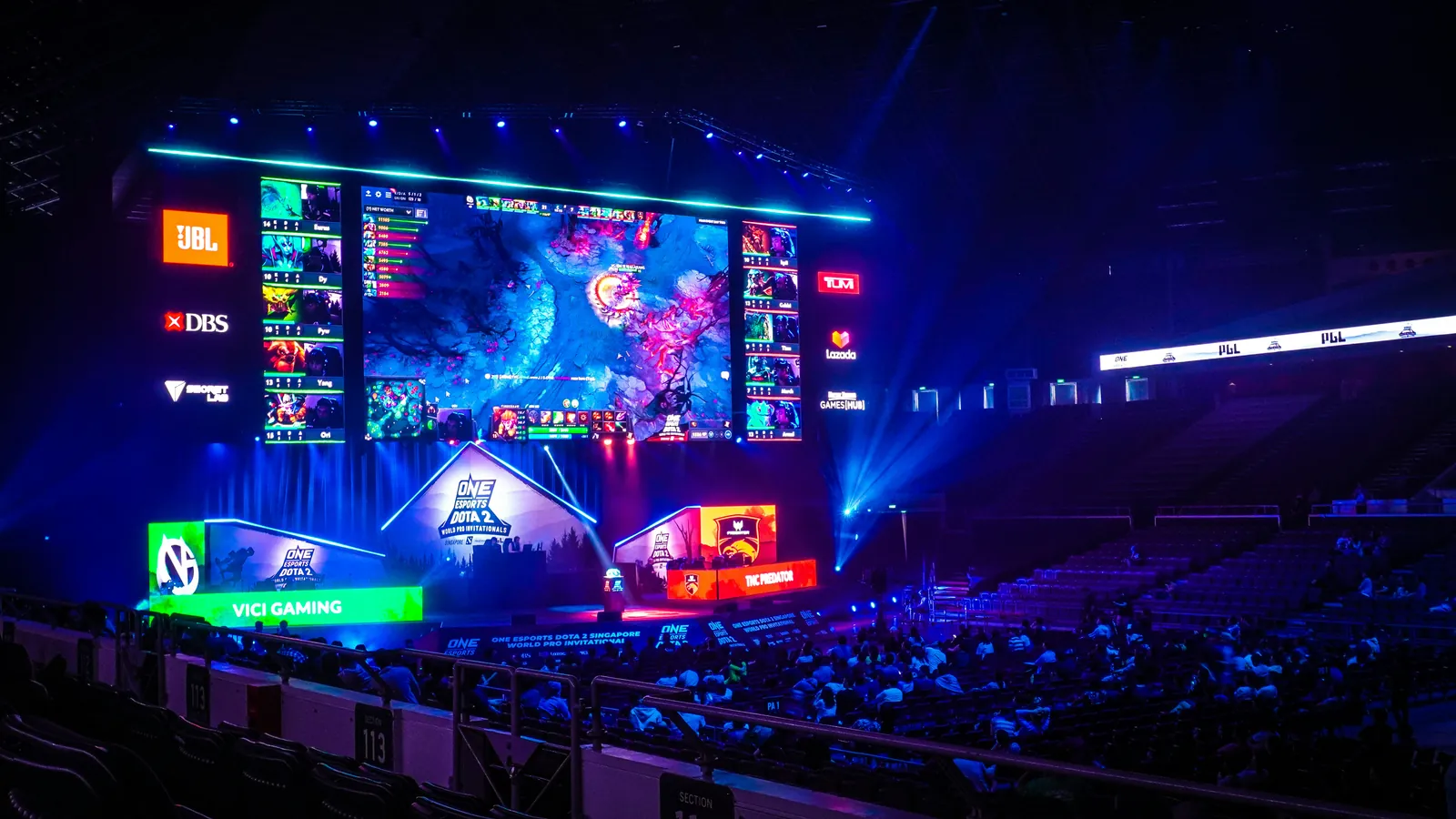
The Rise of Esports: From Basement Competitions to Global Arenas
Competitive gaming, once a niche hobby relegated to basement gatherings and local arcades, has exploded into a global phenomenon known as esports. This evolution has been marked by significant milestones that have collectively propelled it into mainstream recognition, complete with professional leagues, sponsorship deals, and massive audience engagement.
Two key events in this transformation are 'The International' and the 'League of Legends World Championship.'
The Pioneering Era
The early days of competitive gaming can be traced back to the late 1990s and early 2000s with games like StarCraft and Counter-Strike. These games laid the groundwork for what would become modern esports by creating communities that shared tactics and strategies, leading to the formation of professional teams.
'The International': A New Paradigm in Prize Pools
Arguably one of the most pivotal events in esports history is 'The International', an annual Dota 2 championship hosted by Valve Corporation. First held in 2011, this tournament revolutionized the scene with its groundbreaking prize pool, which reached over $1 million in its inaugural year—a figure previously unheard of in competitive gaming.
By utilizing a unique crowd-funding method through the sale of in-game items, known as Compendiums or Battle Passes, the prize pool has grown exponentially, exceeding $40 million in recent years. This innovative approach not only incentivizes community participation but also sets a benchmark for financial sustainability in esports.
Impact and Influence
- Financial Incentives: The sheer size of the prize pool attracted not only players but also teams and investors seeking to capitalize on the growing market.
- Community Engagement: By contributing directly to the prize pool, fans feel more involved in the success of the tournament.
- Infrastructure Development: The increased attention and money flowing into esports prompted improvements in training facilities and team management structures.
The success of 'The International' has encouraged other game developers to adopt similar models, leading to a more robust and financially secure esports ecosystem.
The League of Legends World Championship: Cultivating a Global Audience
If 'The International' demonstrated the power of financial incentives, the 'League of Legends World Championship' has shown how to cultivate a global audience. Since its inception in 2011, Riot Games' flagship event has grown in viewership, reaching tens of millions of concurrent viewers across multiple platforms.
The tournament’s appeal lies in its global reach, featuring teams from diverse regions such as North America, Europe, China, and Korea, each with their own unique playstyles and fan bases. Riot Games has strategically invested in regional leagues to develop talent locally while ensuring top-tier production value for its events.
Key Strategies for Success
- Regional Leagues: By establishing regional leagues, Riot Games ensures a steady influx of new talent and maintains a high level of competition worldwide.
- Broadcast Quality: High production standards make the viewing experience akin to traditional sports broadcasts, attracting viewers who might not typically engage with esports.
- Cultural Integration: Leveraging cultural elements during broadcasts helps tailor the event to specific audiences, increasing its global appeal.
The meticulous attention to detail and emphasis on storytelling have turned the League of Legends World Championship into a cultural event that transcends typical gaming boundaries.
A Comparative Analysis: When to Choose Each Approach
The approaches taken by Valve's 'The International' and Riot Games' 'League of Legends World Championship' offer contrasting yet complementary models for hosting successful esports events.
'The International': Best for Maximizing Financial Engagement
This model is ideal for games with an existing fan base willing to invest directly in their competitive scene. The community-driven prize pool ensures that fans have a stake in the event's outcome, which can increase viewer loyalty and engagement. Developers looking to quickly elevate their game's stature within esports should consider emulating this approach.
'League of Legends World Championship': Ideal for Expanding Global Reach
Riot Games’ strategy focuses on cultivating a long-term fan base by integrating regional competitions into a global framework. This approach suits developers aiming to build sustainable competitive ecosystems over time. By investing in regional leagues and high-quality productions, this model nurtures talent development while keeping global audiences engaged.
Hybrid Approaches: A Balanced Strategy
While these approaches highlight different strengths—financial engagement versus global reach—game developers could benefit from combining elements from both. For instance, integrating community-funded incentives within a well-structured league system could enhance both financial viability and international appeal.
The Future of Competitive Gaming: Emerging Trends
As esports continues to grow, several emerging trends are shaping its future trajectory:
- Mobile Esports: With the proliferation of smartphones, mobile games like 'PUBG Mobile' and 'Garena Free Fire' are gaining popularity, opening up new markets.
- Diversity and Inclusion: Efforts are being made to promote diversity within gaming communities, which could lead to a broader audience base.
- Technological Innovations: Advances in technology such as virtual reality (VR) could introduce new genres and ways to experience competitive gaming.
The landscape of competitive gaming is ever-evolving, driven by technological advances and changing consumer preferences. However, the foundational events like 'The International' and 'League of Legends World Championship' will continue to serve as benchmarks for success as new players enter the field.