
Effective Sports Psychology Strategies for Youth Soccer Coaches' Success
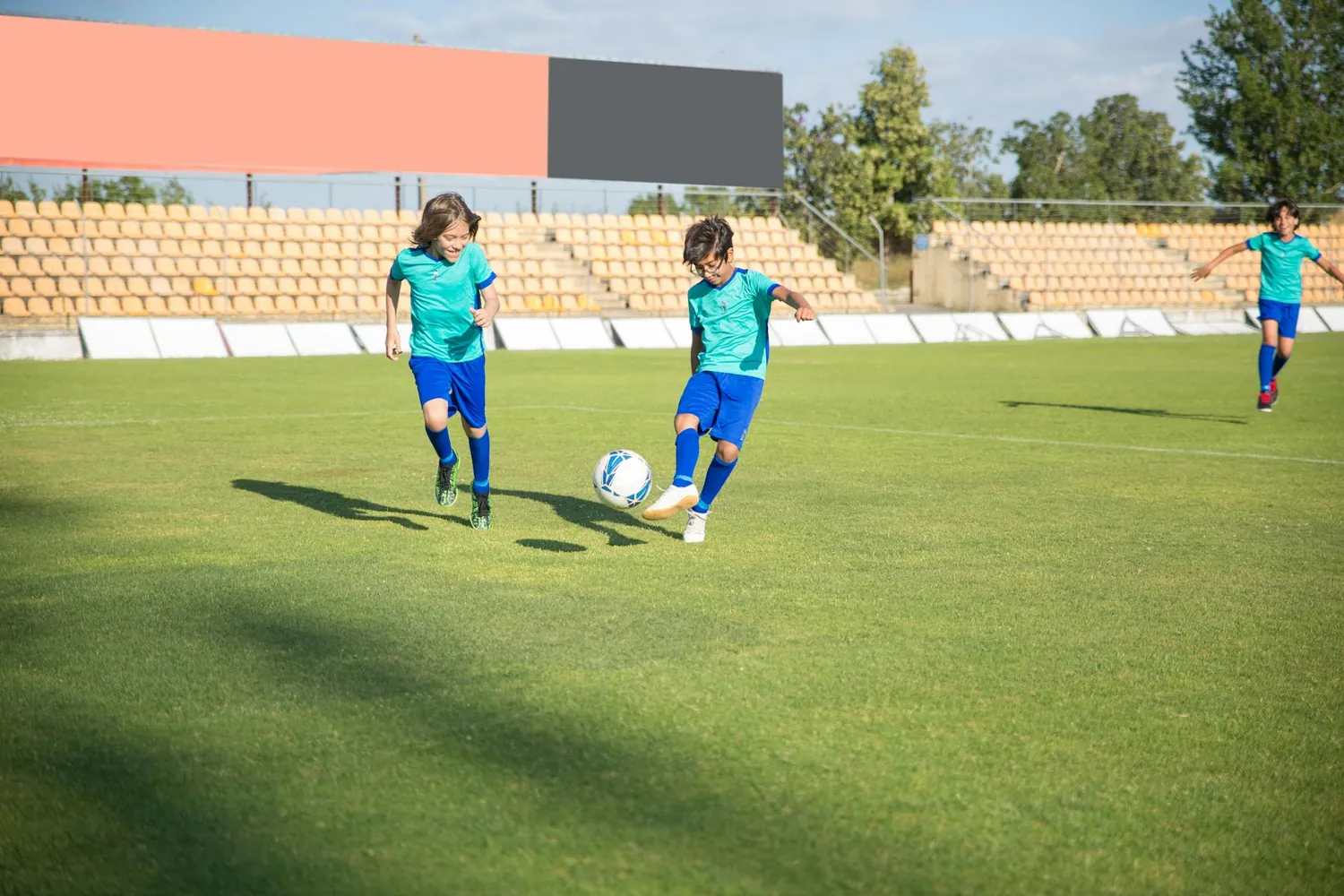
The Role of Sports Psychology in Youth Soccer
Sports psychology offers valuable tools that can be harnessed by youth soccer coaches to not only enhance performance but also foster a positive team environment. When applied effectively, these psychological strategies can help young athletes build confidence, improve communication, and work better as a team.
This article will explore practical sports psychology techniques such as visualization exercises and positive reinforcement strategies that coaches can implement to achieve success on and off the field.
Visualization Exercises
Visualization is a powerful mental training technique that can help young soccer players improve their game by enhancing focus and boosting confidence. Visualization involves mentally rehearsing the physical skills and scenarios they will encounter during a game. The concept is simple: if you can see it, you can achieve it.
Steps for Implementing Visualization
- Set Clear Objectives: Before starting a visualization exercise, it's crucial to define what the player wants to achieve. For example, scoring a goal or executing a precise pass.
- Create a Calm Environment: Encourage players to find a quiet place, close their eyes, and take deep breaths to relax.
- Guide the Imagery: Help them visualize themselves successfully performing the skill in real-time. Pay attention to the details - the sound of the ball, the feel of the grass underfoot, and even the emotions associated with success.
Regular practice of visualization can lead to improved motor skills, faster reactions, and more confident decision-making during matches.
Positive Reinforcement Strategies
Positive reinforcement is an essential strategy in shaping behavior and building a supportive team culture. By recognizing and rewarding desirable behaviors, coaches can encourage young athletes to maintain and repeat these actions.
Implementing Positive Reinforcement
- Immediate Feedback: Give feedback as soon as possible after observing a desirable action. For example, praising a player immediately after they make a good pass encourages them to continue making effective plays.
- Specific Praise: Be specific about what was done well. Instead of saying "good job," say "great job keeping your head up and finding your teammate with that pass." This specificity helps players understand what behaviors are valued.
- Consistent Rewards: Use rewards consistently to reinforce positive behavior. This could range from verbal praise and high-fives to more structured rewards like being named player of the week.
When used effectively, positive reinforcement not only boosts individual morale but also strengthens team cohesion.
Enhancing Teamwork through Communication
Communication is the backbone of teamwork in soccer. Good communication ensures that all players are on the same page, facilitating effective coordination during games.
Building Communication Skills
- Drills Focusing on Communication: Implement drills that require players to communicate with each other. For instance, blindfolded passing drills where one player guides another using verbal instructions can help improve verbal communication skills.
- Encouraging Open Dialogue: Create an environment where players feel comfortable expressing their thoughts and ideas. Regular team meetings can provide a platform for open discussions about strategies and concerns.
- Role-Playing Scenarios: Role-playing different in-game scenarios can help players practice communicating under pressure, enhancing their ability to make quick decisions collectively during actual games.
Effective communication nurtures trust among players and is vital for successful teamwork.
Cultivating Resilience
Youth sports are not without their challenges. Injuries, losses, and personal disappointments are all part of the game. Resilience helps young athletes cope with setbacks and continue striving toward their goals.
Strategies for Building Resilience
- Mental Toughness Training: Incorporate exercises that challenge players both physically and mentally. This could include endurance drills that test limits and require players to push through discomfort.
- Setting Realistic Goals: Help players set short-term and long-term goals. Achieving smaller objectives provides a sense of accomplishment, while long-term goals offer direction and motivation.
- Promoting a Growth Mindset: Encourage players to view challenges as opportunities for growth. Teach them that failure is not the end but a chance to learn and improve.
Cultivating resilience equips young athletes with the mental fortitude needed to overcome obstacles both on the pitch and in life.
The Balance Between Competition and Enjoyment
While fostering competitiveness is essential for player development, maintaining enjoyment in the sport is equally important, especially for young athletes who are still developing their skills and passion for soccer.
Strategies for Balancing Competition and Fun
- Incorporate Fun Drills: Design practice sessions that incorporate fun drills or mini-games. This approach keeps training sessions engaging and enjoyable.
- Praise Effort Over Outcome: Focus on praising the effort rather than just outcomes. Recognizing hard work even when it doesn't result in success helps maintain enthusiasm for learning and playing.
- Create a Supportive Environment: Foster an environment where players feel supported regardless of their performance. Emphasize teamwork, personal growth, and love for the game above all else.
A balance between competition and enjoyment ensures that young players remain motivated to improve while developing a lifelong love for soccer.
The Takeaway: Integrating Sports Psychology into Coaching Practices
The integration of sports psychology strategies into coaching practices provides a holistic approach to developing young soccer players. Techniques such as visualization exercises, positive reinforcement, effective communication, resilience-building, and balancing competition with enjoyment can lead to significant improvements not just in individual performance but also in team dynamics. By incorporating these strategies, coaches play a pivotal role in nurturing well-rounded athletes who excel on the field while enjoying the game.