
Understanding the Unique Temperaments of Various Pet Bird Types
The Fascinating World of Pet Birds
Birds have been companions to humans for centuries, not only admired for their beauty but also for their intriguing behaviors and personalities. Understanding the temperament of different bird species can enhance your experience as a bird owner.
In this article, we will explore various pet bird species, discuss their unique temperaments, care requirements, and social needs.
Small Birds: Budgerigars and Canaries
Budgerigars (Budgies)
Often recommended for first-time bird owners, budgerigars are small, colorful parrots known for their playful nature and ability to mimic human speech. Budgies are social creatures that thrive on interaction. However, they require a balanced diet consisting of seeds, fruits, and vegetables to maintain their health.
Care Tips:
- Social Interaction: Budgies love company; it's ideal to keep them in pairs or provide plenty of human interaction.
- Enrichment: Provide toys and regularly change them to prevent boredom.
- Health Checks: Regularly monitor for signs of illness such as changes in droppings or appetite.
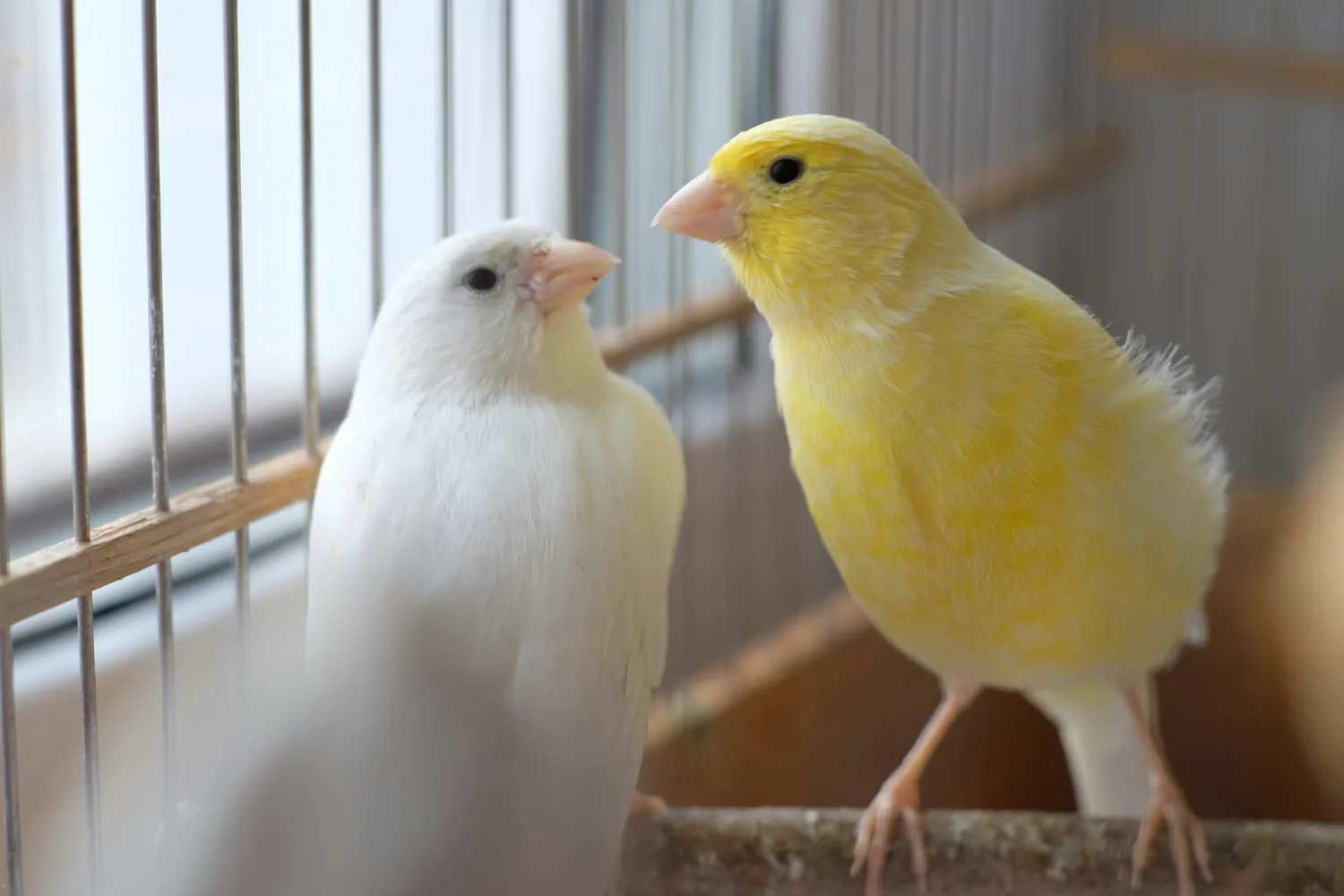
Canaries
Canaries are renowned for their melodic singing. Unlike budgerigars, they do not require much handling, making them suitable for individuals who prefer a less interactive pet. Canaries can be kept singly or in groups but need ample space to fly and exercise within their cages.
Care Tips:
- Cage Setup: Ensure the cage is spacious enough for flying; add perches at various heights.
- Diet: A high-quality canary seed mix supplemented with fresh greens will keep them healthy.
- Singing Stimulation: Keep the environment lively with music or sounds to encourage singing.
Medium-Sized Birds: Cockatiels and Lovebirds
Cockatiels
Cockatiels are affectionate birds with a distinctive crest that reflects their mood. Known for their gentle nature and whistling abilities, cockatiels are relatively easy to train. They enjoy mimicking sounds and can learn simple tricks with patience and consistency.
Care Tips:
- Bonding Time: Spend time daily with your cockatiel to strengthen your bond.
- Feeding: Offer a varied diet including pellets, seeds, and fresh vegetables.
- Mental Stimulation: Provide puzzles and challenges to keep their minds active.
Lovebirds
Lovebirds are small but energetic parrots known for their strong pair bonds. Despite their name, they do not need to be kept in pairs, although they do benefit from companionship. They are playful and can become very attached to their human caretakers.
Care Tips:
- Taming and Socialization: Early interaction is key to taming a lovebird; involve them in daily activities.
- Toys and Activities: Keep them entertained with toys designed for chewing and shredding.
- Noise Level: Be prepared for some noise as lovebirds can be quite vocal.
Large Birds: African Grey Parrots and Macaws
African Grey Parrots
Known for their intelligence and impressive vocabulary, African Grey Parrots are highly social birds that form strong bonds with their owners. They require substantial mental stimulation and social interaction to thrive.
Care Tips:
- Interactive Environment: Offer interactive toys that challenge their problem-solving skills.
- Dietary Needs: A diet of pellets, seeds, fruits, and vegetables is essential for their health.
- Time Commitment: Be ready to invest time daily for social interaction and training exercises.
Macaws
With their striking appearance and vibrant personalities, macaws are among the most recognizable parrots. They require ample space and a dedicated caretaker due to their large size and social needs. Macaws are known for being affectionate but also require consistent training to manage their strong beaks and high energy levels.
Care Tips:
- Cage Requirements: Ensure a large, robust cage that allows room for climbing and playing.
- Behavioral Training: Establish a routine that includes training sessions to reinforce positive behaviors.
- Nutritional Variety: Feed a well-rounded diet that includes nuts, seeds, fruits, and vegetables.
Navigating Common Misconceptions about Pet Birds
A common misconception is that birds require minimal care compared to other pets like cats or dogs. In reality, birds demand significant attention and proper care routines. Let’s address some myths surrounding bird ownership:
- BBoredom is Not an Issue: Many believe birds can be left alone without entertainment. Birds need mental stimulation through toys and interactions to prevent boredom-induced behaviors like feather plucking.
- BCage Size Doesn’t Matter Much: Contrary to this belief, even smaller birds need sufficient space to exercise their wings. An appropriately sized cage is crucial for their wellbeing.
The Commitment Involved in Bird Ownership
Birds are long-lived creatures; certain species can live over 50 years in captivity. As such, owning a bird is a lifelong commitment that involves catering to their physical, emotional, and social needs throughout various life stages. Prospective bird owners should consider their lifestyle, available time, and resources before bringing a bird into their home.
A Mini-Framework for Choosing the Right Pet Bird
Selecting the right bird involves evaluating several factors to ensure compatibility between the owner and the pet bird's needs. Here is a simple framework you can apply when considering which bird species suits you best:
- BLifestyle Assessment: Consider your daily routine—how much time can you dedicate to interacting with your bird? Birds that require more socialization may not suit individuals with busy lifestyles.
- BSpace Evaluation: Assess your living space. Larger birds will require more room both inside and outside the cage for free flight opportunities.
- BNoise Tolerance: Be honest about how much noise you can tolerate. Some birds are naturally louder than others.
By following this framework, you can make an informed decision that leads to a fulfilling relationship with your feathered friend. Owning a pet bird can bring immense joy but requires thoughtful preparation and commitment.