
The Impact of Therapy Dogs on Veterans' Emotional Well-Being
Understanding the Role of Therapy Dogs
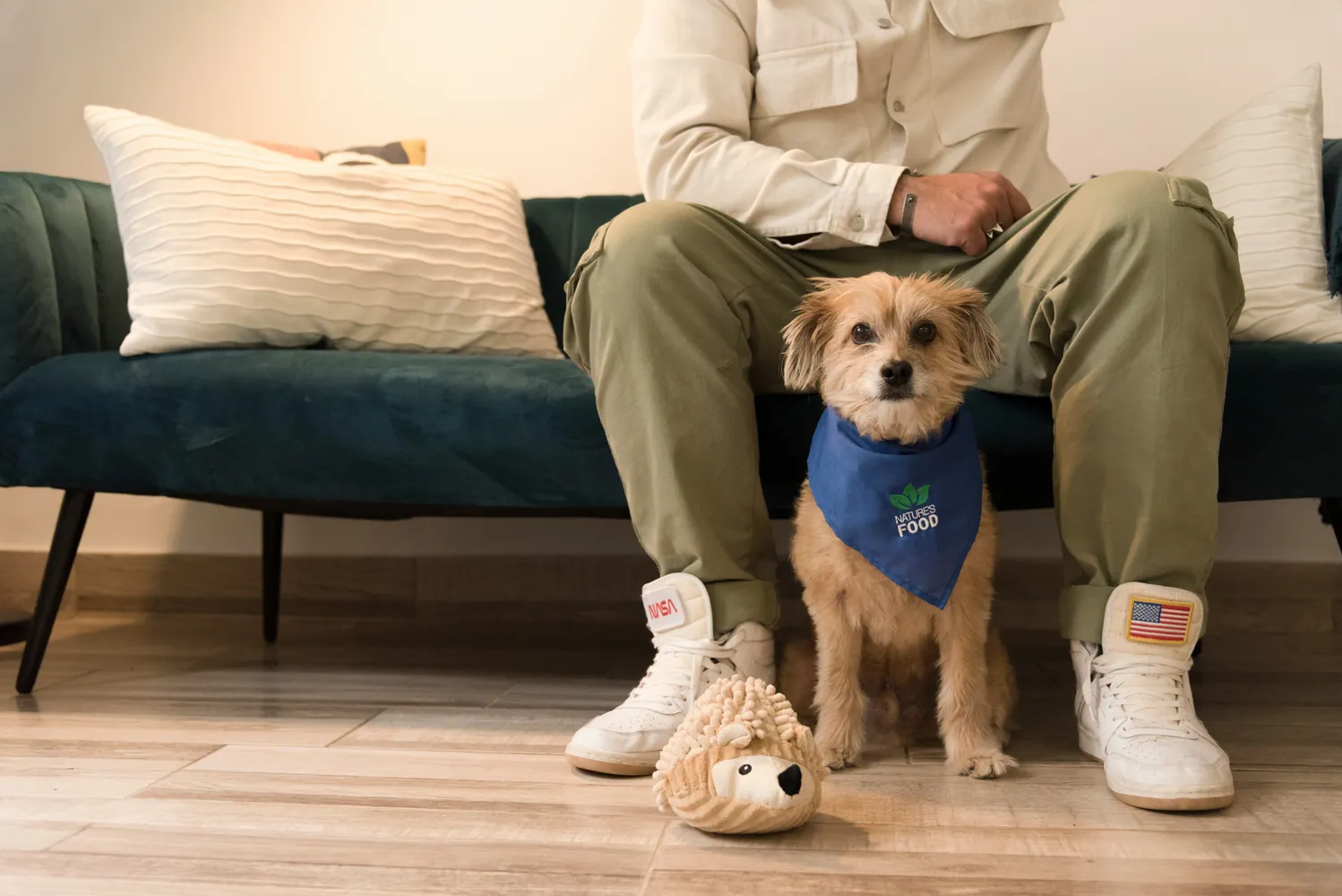
Therapy dogs have become an essential part of emotional and mental health support systems, particularly for veterans. These specially trained animals offer companionship, unconditional love, and a sense of purpose to those who may be struggling with post-traumatic stress disorder (PTSD) and other emotional challenges.
The mere presence of a dog can significantly reduce feelings of anxiety, depression, and isolation.
In this article, we explore how therapy dogs assist veterans by examining real-life stories and insights from trainers and veterans themselves. We will also outline how therapy dogs are trained and provide practical guidance for those interested in seeking the companionship of a therapy dog.
Real-Life Stories: Veterans and Their Therapy Dogs
Michael and Max: A Story of Friendship
Michael, a former Marine who served in Afghanistan, found life after service challenging. He suffered from severe PTSD, which led to insomnia, anxiety attacks, and difficulty adjusting to civilian life. Everything changed when he met Max, a golden retriever trained as a therapy dog.
"Max gave me a reason to get up in the morning," Michael shares. "His presence alone calms me down during anxiety attacks. With him around, I feel less alone." Max was trained to recognize signs of distress in Michael and respond by nudging him gently or laying his head on Michael's lap, providing comfort and grounding Michael's spiraling thoughts.
Susan and Bella: Rediscovering Joy
Susan, a retired Army medic, struggled with depression after her service. She recalls her darkest days when she felt that joy was lost forever. That was until Bella, a Labrador Retriever, entered her life through a veteran support program.
Bella's training allowed her to offer Susan more than just companionship. "Bella encourages me to stay active because she needs daily walks," Susan explains. "Our walks became my therapy sessions. Her enthusiasm for life has reignited my own."
The Training Process: Preparing Therapy Dogs
Training a therapy dog involves both basic obedience and specialized skills tailored to the needs of their future handlers. Trainers often select breeds known for their temperament, such as Golden Retrievers, Labradors, and Poodles.
- Basic Obedience: All therapy dogs must master commands like sit, stay, come, and heel.
- Socialization: Dogs are exposed to different environments, people, and other animals to ensure they remain calm in various situations.
- Specific Tasks: Depending on the veteran's needs, dogs learn tasks such as interrupting anxiety attacks or providing physical support.
The training process can take several months to over a year. Trainers emphasize positive reinforcement techniques to foster trust and ensure the dogs enjoy their work.
Interview Insights: Trainers Speak Out
To gain deeper insights into the process and impact of therapy dogs, we spoke with Lisa Matthews, a seasoned therapy dog trainer with over 15 years of experience.
"Therapy dogs are unique because they provide non-judgmental support," says Lisa. "The bond between a veteran and their dog is built on trust and mutual respect. Our goal is to prepare the dog for any situation where they might need to offer comfort or assistance."
Lisa explains that while training is rigorous, selecting the right dog for each veteran is equally crucial. "It's about matching personalities. We assess the veteran's lifestyle and emotional needs to find the perfect fit," she adds.
The Benefits: How Therapy Dogs Improve Well-Being
Research supports what many veterans experience firsthand: therapy dogs contribute significantly to emotional well-being. Studies show that interaction with therapy dogs can decrease levels of cortisol (a stress hormone) while boosting oxytocin (a hormone linked to happiness and bonding).
- Reduction in Anxiety and Depression: The presence of a therapy dog provides comfort that alleviates symptoms of anxiety and depression.
- Improved Sleep Patterns: Many veterans report better sleep quality with a dog by their side.
- Increased Social Interaction: Walking a dog often leads to social interactions that can help combat loneliness.
The unconditional love offered by therapy dogs helps veterans open up emotionally, which is vital for recovery and healing.
A Mini-Framework for Integrating Therapy Dogs into Veterans' Lives
If you or someone you know could benefit from the companionship of a therapy dog, consider the following steps:
- Evaluate Needs: Assess whether a therapy dog's companionship aligns with your emotional needs and lifestyle.
- Consult Professionals: Speak with mental health professionals or organizations that specialize in animal-assisted therapy for recommendations.
- Select the Right Program: Explore programs that pair therapy dogs with veterans. Research their training methods and success stories.
- Meet Potential Matches: Spend time with potential therapy dogs to find one that connects with you personally.
- Create a Support System: Ensure you have resources like trainers or support groups available as you transition with your new companion.
Conclusion
The impact of therapy dogs on veterans' emotional well-being is profound. Through real-life connections and expert insights, we've seen how these animals offer much more than companionship—they provide hope, stability, and a pathway to healing. For veterans navigating the complexities of post-service life, therapy dogs stand ready as steadfast partners on their journey towards emotional recovery.