
Navigating the Basics of Clicker Training for Improved Pet Interactions
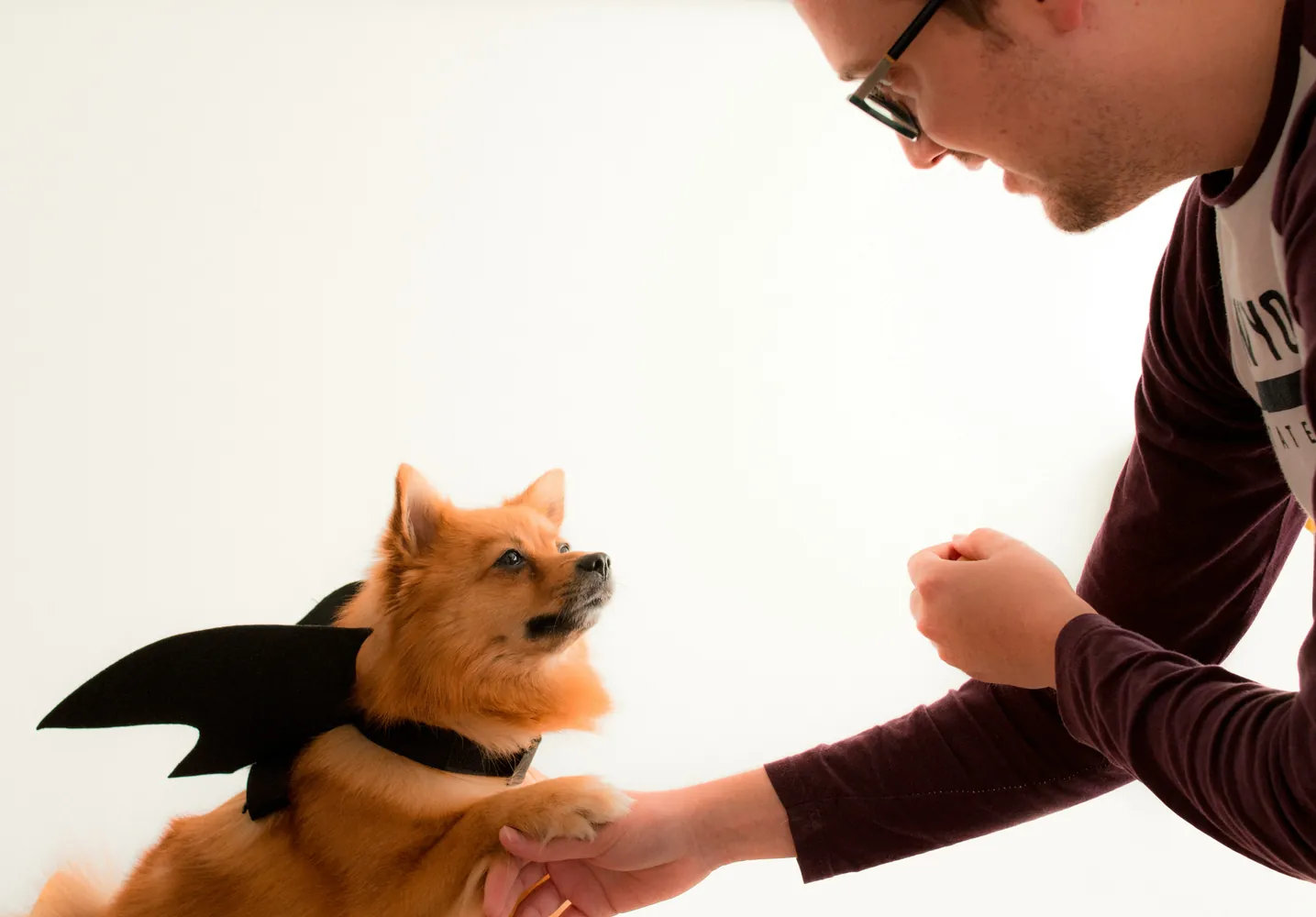
The Magic of Clicker Training
Clicker training is a popular method among pet owners, celebrated for its effectiveness in improving communication and strengthening the bond between pets and their humans. This positive reinforcement technique uses a click sound to mark a desired behavior, followed by a reward.
The clicker sound acts as a bridge between the behavior and the reward, helping pets understand exactly which action earned them a treat.
Why Use Clicker Training?
One of the main advantages of clicker training is its precision. Traditional training methods can sometimes confuse pets, especially if there's a delay between the action and the reward. With clicker training, the sound of the clicker signals that a specific action has been successfully completed, making it easier for pets to learn new behaviors quickly.
The Science Behind It
The foundation of clicker training lies in operant conditioning, a concept developed by B.F. Skinner. When pets perform a behavior that is followed by a positive outcome, they are more likely to repeat that behavior in the future. Over time, the clicker itself becomes associated with rewards, making it a powerful tool for guiding pet behavior.
Getting Started: Tools and Preparation
Before embarking on your clicker training journey, it's important to gather the necessary tools and prepare adequately:
- Clicker: Choose a simple clicker with a consistent sound. Some trainers also use smartphone apps that mimic the click sound.
- Treats: Find small, easily consumable treats that your pet loves. They should be special, different from their regular food.
- Quiet Environment: Start training sessions in a calm, distraction-free area to ensure your pet's focus is solely on you.
Step-by-Step Guide to Clicker Training
1. Charging the Clicker
Before using the clicker for training, your pet needs to understand that the sound of the click equals a reward. This process is known as 'charging' the clicker:
- Sit quietly with your pet and have your treats ready.
- Press the clicker once and immediately give your pet a treat.
- Repeat this process 10–15 times in short intervals until your pet anticipates a treat upon hearing the click.
2. Introducing Basic Commands
Once your pet associates the click with treats, you can start teaching basic commands like 'sit' or 'come':
- With your pet’s favorite treat, hold it close to their nose and slowly move it upwards over their head.
- As their head follows the treat, their bottom will naturally move into a sitting position.
- As soon as they sit, click immediately and give them a treat.
This reinforces that sitting on command results in rewards. Repeat until your pet consistently performs the action upon command.
3. Generalizing Behavior
Pets often associate commands with specific environments or contexts. To ensure they respond in various settings, practice commands in different locations and with different distractions over time:
- Try the command in different rooms in your house.
- Take training sessions outside once they master commands indoors.
Troubleshooting Common Issues
Lack of Response
If your pet isn't responding to the clicker initially, revisit the charging phase. Ensure that each click is promptly followed by a treat so that they form a clear association.
Overuse of Commands
Avoid repeating commands multiple times in one instance. Doing so can teach your pet that they don't need to respond immediately. Instead, pause and reset if they don't comply on first request.
The Path to Advanced Training
As both you and your pet become comfortable with basic commands, you can begin introducing more complex behaviors. Consider chaining commands or introducing sequences of behaviors for more advanced tricks or tasks.
Scenario: Teaching Your Dog to Fetch
- Begin by breaking down the task into smaller steps: picking up an object, holding it, and bringing it back.
- Click and reward each step separately before combining them into a single sequence.
This gradual approach ensures clarity for your pet and maximizes learning efficiency.
Conclusion: Building Strong Bonds
Clicker training not only helps in teaching new behaviors but also enhances the relationship between you and your pet. Through clear communication and consistent positive reinforcement, you'll find that your interactions become richer and more enjoyable. Whether you're training dogs, cats, or even birds, clicker training offers an adaptable framework suited to enhancing understanding and cooperation with your beloved pets.