
How to Ensure Your Rescue Puppy is Friendly and Well-Adjusted
Understanding the Importance of Socialization
Bringing home a rescue puppy is a heartwarming experience that also comes with its own set of challenges. These puppies may have had a tough start to life, making socialization an essential part of their development.
Socialization is the process of exposing your puppy to various environments, people, and other animals in a controlled way, to help them grow into friendly and confident adults.
The early stages of a puppy's life are crucial, as this is when they are most receptive to new experiences. Proper socialization helps prevent behavior issues such as aggression, fearfulness, or anxiety later in life.
Creating a Socialization Plan
Establishing a structured socialization plan will guide your efforts in helping your rescue puppy adapt to their new world. Consider the following elements:
- Exposure to Different Environments: Introduce your puppy to various settings like parks, busy streets, quiet neighborhoods, and even different terrains such as grass, sand, and pavements.
- Meeting New People: Allow your puppy to interact with people of different ages, ethnicities, and sizes. Encourage gentle interactions with kids and adults alike.
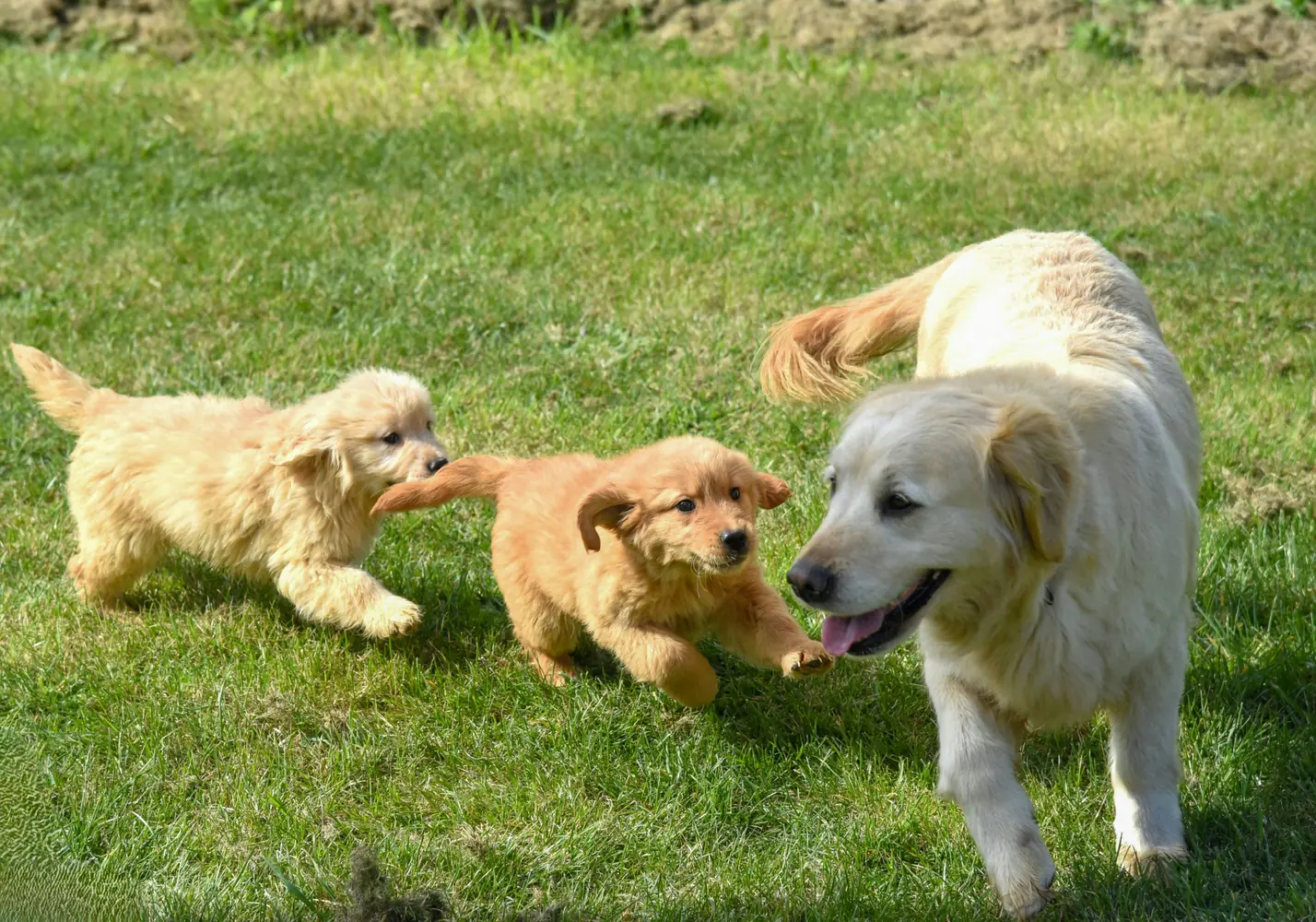
- Introducing Other Animals: Organize controlled playdates with other dogs that you know are friendly and vaccinated. Supervise these sessions to ensure safety and positive interactions.
Implementing Positive Reinforcement
One of the most effective ways to encourage good behavior during socialization is through positive reinforcement. Reward your puppy with treats, praise, or toys when they react positively to new stimuli. This reinforces good behavior and builds their confidence.
Concrete Example: Organizing a Playdate
Organizing a playdate for your rescue puppy can be a fun way to introduce them to new canine friends and environments. Here's how to plan a successful playdate:
- Select the Right Playmate: Choose another dog that has a calm and friendly temperament. Ideally, they should be familiar with puppies and have up-to-date vaccinations.
- Find a Neutral Location: Opt for a location neither dog has claimed as their territory, like a local park or a friend’s yard.
- Monitor Body Language: Keep an eye on both dogs’ body language. Signs of stress or discomfort should be addressed immediately by separating them for a short break.
- Keep Sessions Short: Limit initial playdates to 15-30 minutes to avoid overwhelming your puppy.
Troubleshooting Common Issues
If your puppy displays signs of fear or aggression during socialization, take steps to address these issues promptly:
- Fearfulness: Gradually expose your puppy to fearful stimuli at their own pace. Provide comfort without reinforcing the fear by staying calm and offering reassurance.
- Aggression: If aggression occurs, it may be beneficial to consult a professional trainer who can provide targeted interventions.
Progress Checklist
A practical checklist can help you track your rescue puppy’s progress in becoming well-adjusted. Here’s a simple one to get started:
- Has my puppy interacted positively with at least five different people this week?
- Did my puppy explore three new environments this month?
- Has my puppy had controlled interactions with other dogs recently?
The Role of Routine and Consistency
Establishing routines provides structure for your puppy, making them feel secure and understood. A consistent daily routine includes feeding times, walks, playtime, and rest periods. Predictability within their environment helps rescue puppies adjust better as they learn what to expect throughout the day.
Case Study: Adapting Routine for Rescue Puppies
A family adopting their first rescue puppy found success by incorporating structured playtimes that gradually included more complex environments and stimuli over time. They began with simple interactions within the home and progressively added new experiences outdoors. The result was a confident puppy comfortable with various settings.
Conclusion: Fostering Confidence and Sociability
The journey of raising a well-adjusted rescue puppy involves patience, dedication, and love. By implementing structured socialization strategies, utilizing positive reinforcement, and maintaining consistency in routine, you can help your rescue puppy blossom into a friendly and sociable dog. The reward is a lifelong companionship enriched by trust and mutual understanding.