
Understanding the Role of Outdoor Experiences in Mental Health Improvement
The Healing Power of Nature
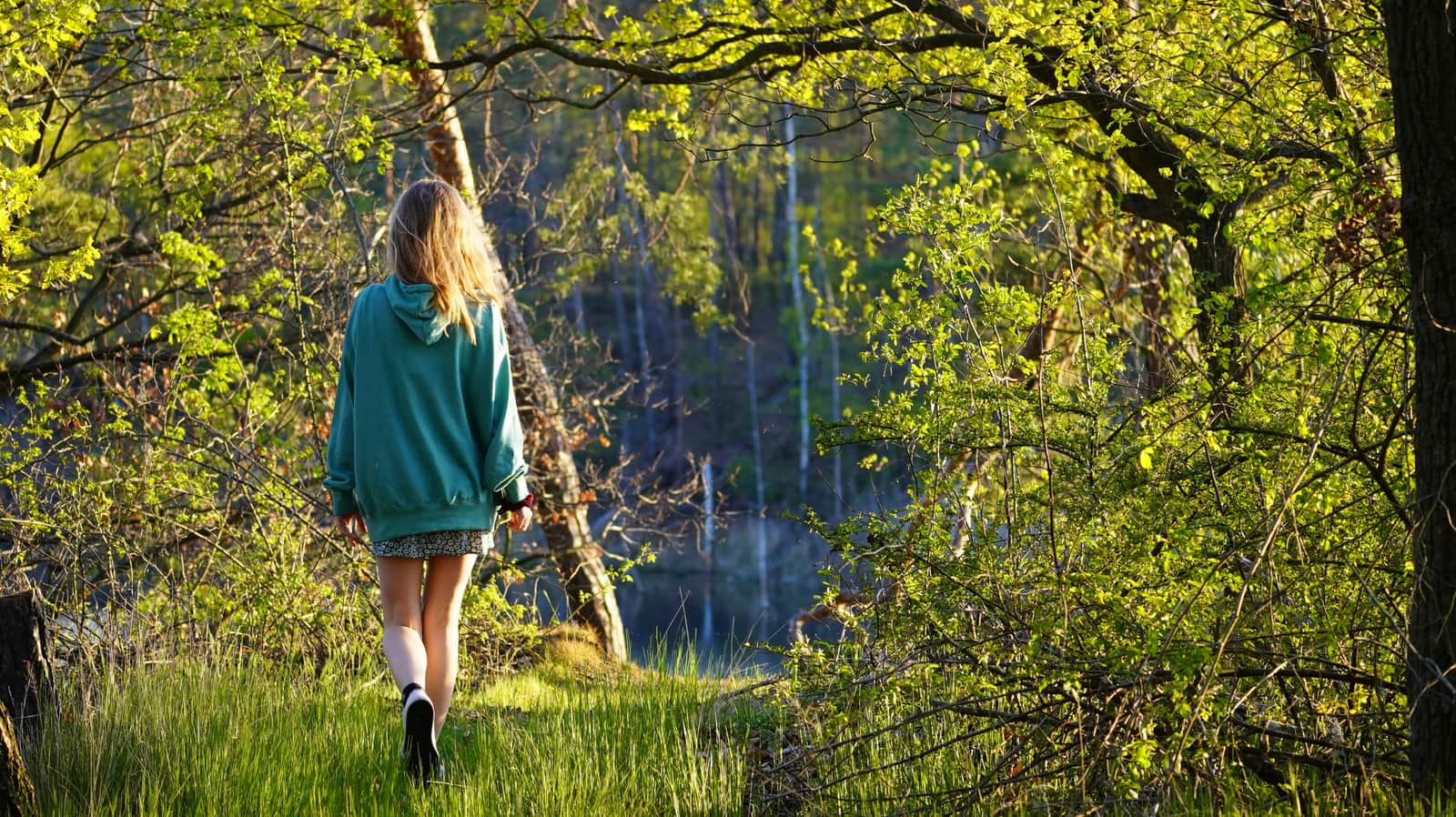
Outdoor experiences, often referred to as 'nature therapy,' have been increasingly recognized for their positive impacts on mental health. Whether it's hiking through forests, strolling along a beach, or gardening in one's backyard, these activities connect individuals with nature in a way that can alleviate symptoms of mental illnesses such as depression and anxiety.
Nature Therapy: A Historical Perspective
The concept of using nature as a therapeutic tool is not new. Historical records indicate that ancient civilizations like the Egyptians and Greeks recognized the calming effects of nature on the human psyche. In more recent times, the field of ecotherapy has emerged, integrating natural environments into therapeutic practices. This approach is gaining traction worldwide, backed by both anecdotal evidence and scientific research.
Case Studies: Transformative Journeys Through Nature
Case Study 1: Overcoming Anxiety Through Forest Bathing
Sarah, a 35-year-old graphic designer, struggled with severe anxiety that medication and traditional therapy failed to address fully. Upon her therapist's suggestion, she began participating in guided 'forest bathing' sessions. These involve immersing oneself in a forest environment, using all senses to engage with nature. Within a few months, Sarah reported a significant decrease in her anxiety levels, corroborated by her therapist's observations of improved emotional regulation.
Case Study 2: Nature Walks for Depression Management
Tom, a 42-year-old teacher battling chronic depression, joined a community group focused on nature walks. These walks provided him not only with physical exercise but also social interaction and a sense of community. Tom's mood gradually improved, and he found solace in the routine and predictability that these walks offered. This structured interaction with nature became a cornerstone of his mental health regimen.
The Science Behind Nature Therapy
Recent studies have demonstrated the physiological and psychological benefits of spending time in natural settings. One prominent study published in Environmental Health and Preventive Medicine found that forest environments promote lower concentrations of cortisol (a stress hormone), lower pulse rates, and lower blood pressure compared to urban environments.
- Improved Mood and Reduced Anxiety: Research shows that exposure to natural environments can increase feelings of well-being and decrease feelings of anxiety and depression.
- Enhanced Cognitive Function: Nature can improve cognitive functioning by reducing mental fatigue. This is often attributed to the restorative properties of natural landscapes, which can help refocus the mind.
- Physical Health Benefits: The physical activities associated with outdoor experiences also contribute to better overall health, which can indirectly support mental well-being.
Integrating Nature Therapy into Daily Life
For those looking to incorporate nature therapy into their daily lives, here are some practical steps:
- Create a Routine: Schedule regular time slots for outdoor activities, whether it's a short daily walk or longer weekend hikes.
- Mindfulness in Nature: Engage in mindful practices while outdoors. Focus on the sights, sounds, and smells around you to fully immerse yourself in the experience.
- Join Community Groups: Participate in community-based outdoor activities. This not only promotes physical activity but also builds social connections.
Building Your Own Nature Therapy Practice: A Mini-Framework
Below is a simple framework to help you start your own nature therapy practice:
- Identify Natural Spaces: Find accessible natural spaces near you—parks, beaches, or even your garden.
- Select Activities: Choose activities that align with your interests such as walking, bird watching, or gardening.
- Set Goals: Define what you hope to achieve through your nature therapy practice—be it reduced stress, improved mood, or increased social interaction.
- Track Progress: Keep a journal to track your experiences and any changes in your mental health.
The Future of Nature Therapy
The efficacy of nature therapy is supported by a growing body of evidence that suggests its integration into conventional mental health treatment plans can enhance outcomes significantly. As more individuals discover the benefits of connecting with nature, this therapeutic approach will likely continue to gain popularity among practitioners and patients alike.